
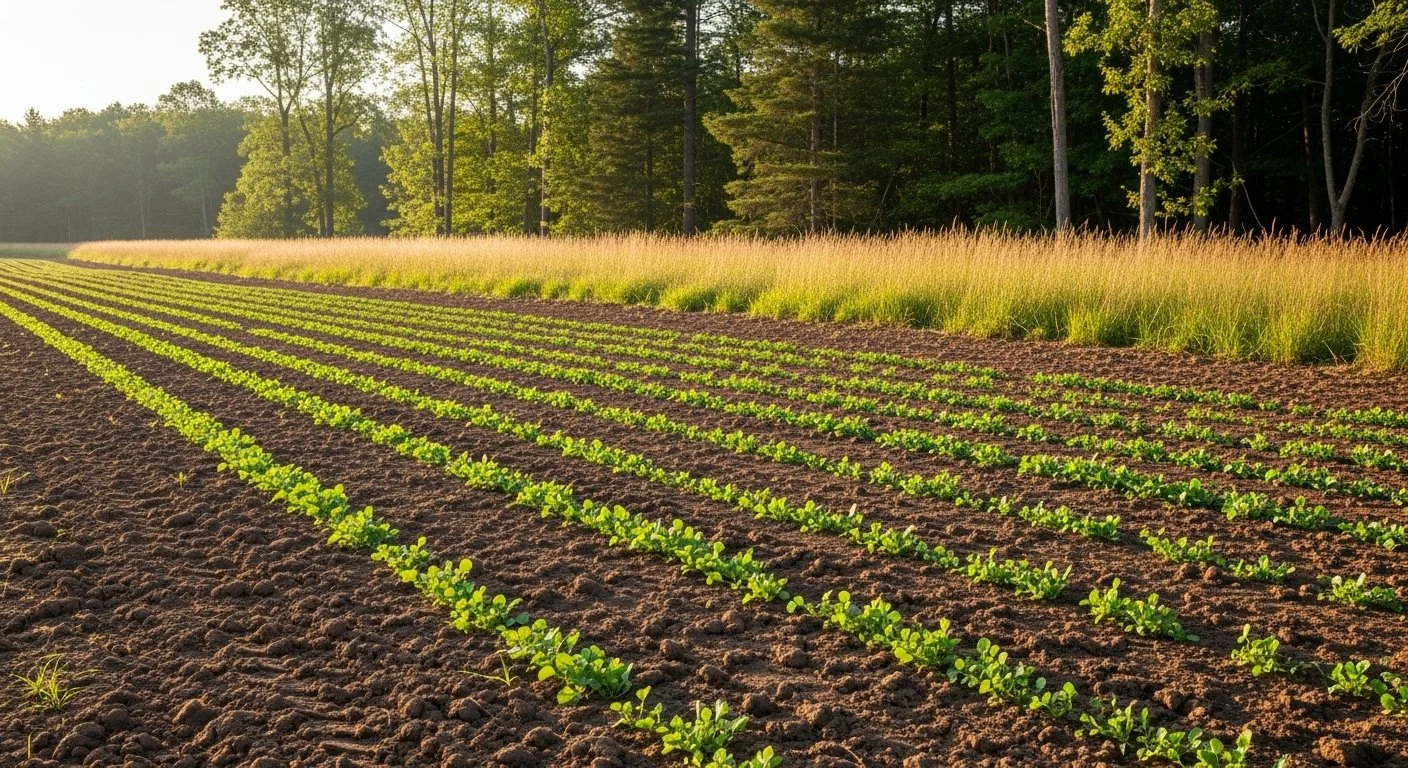
Food Plots for Wildlife Nutrition
Food Plots as a Foundation for Wildlife Nutrition
Productive food plots provide the nutrition needed to support healthy deer populations and improve overall hunting success in the Southeast.
A hunting property does not reach its maximum potential until a successful food plot program is established. Nutrition is critically important to the success of white tailed deer, and understanding herd nutrition is essential when managing productive wildlife populations.
In much of the Southeast, forest soils and native ground cover alone cannot consistently meet nutritional demands. On many hunting properties, the only soils that are reliably productive across the landscape are found in food plots that have been properly conditioned and managed.
Why Nutrition Limits Many Southeastern Properties
Nutrition is one of the most common limiting factors on hunting properties in the Southeast. Poor soil productivity, combined with heavy forest cover, often results in landscapes that cannot supply adequate nutrients year round.
Without intentional management, these limitations reduce carrying capacity and prevent deer populations from reaching their full potential.
Food Plots as a Habitat Type
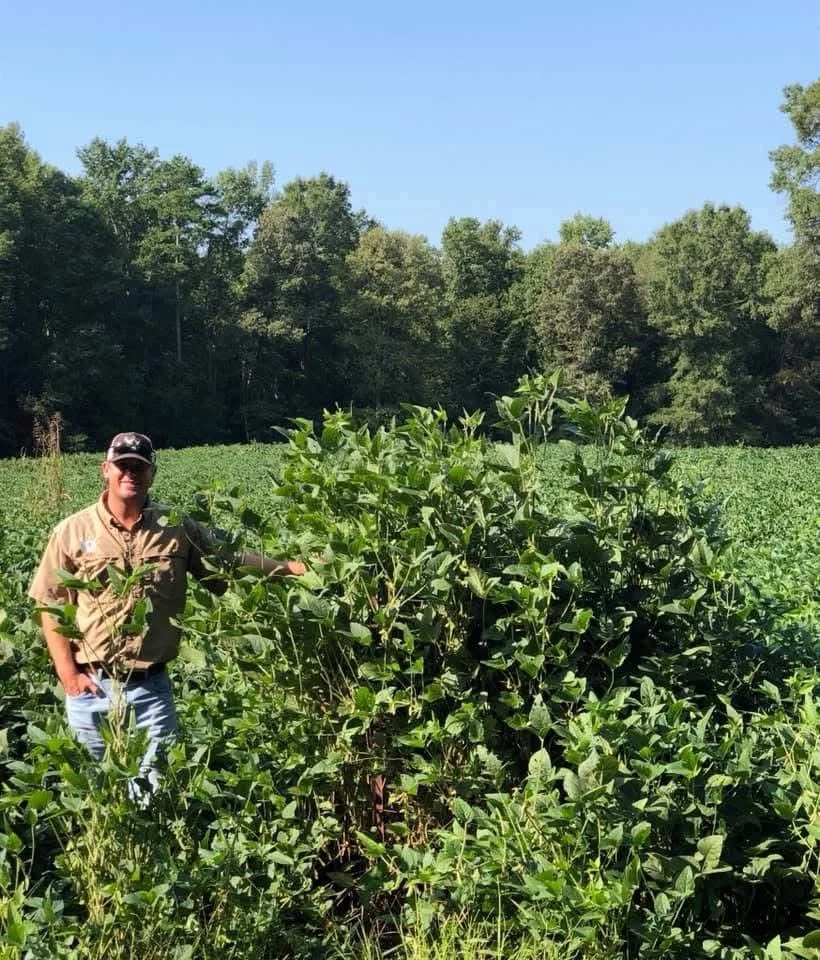
Food plots are not supplemental feeding. They are a habitat type.
When food plots are incorporated into overall habitat management, their effectiveness and productivity increase. Treating food plots as part of the habitat allows them to function alongside cover, edge, and travel corridors to support healthier wildlife populations.
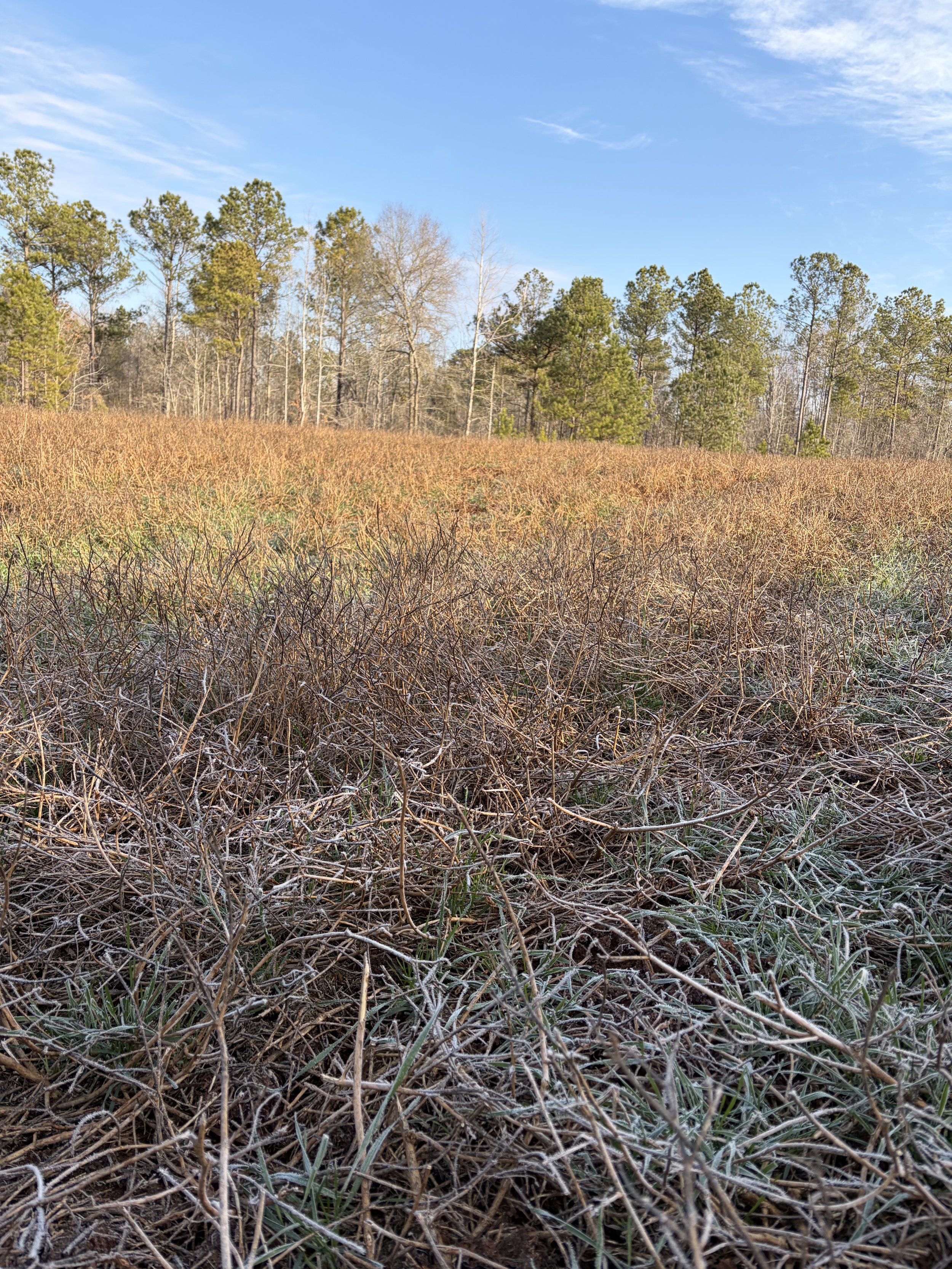
American Joint Vetch cover cropped in cold hardy oats.
Soil Productivity and Mineral Availability
Deer require minerals such as phosphorus and calcium for growth, reproduction, and overall health. Acceptable levels of these minerals are typically found in food plots, not forest soils.
Phosphorus consumed by deer during fall and winter may be stored and used during the following growing season. For this reason, food plot management is just as important as native forage management on many hunting properties.
Growing Season Food Plots
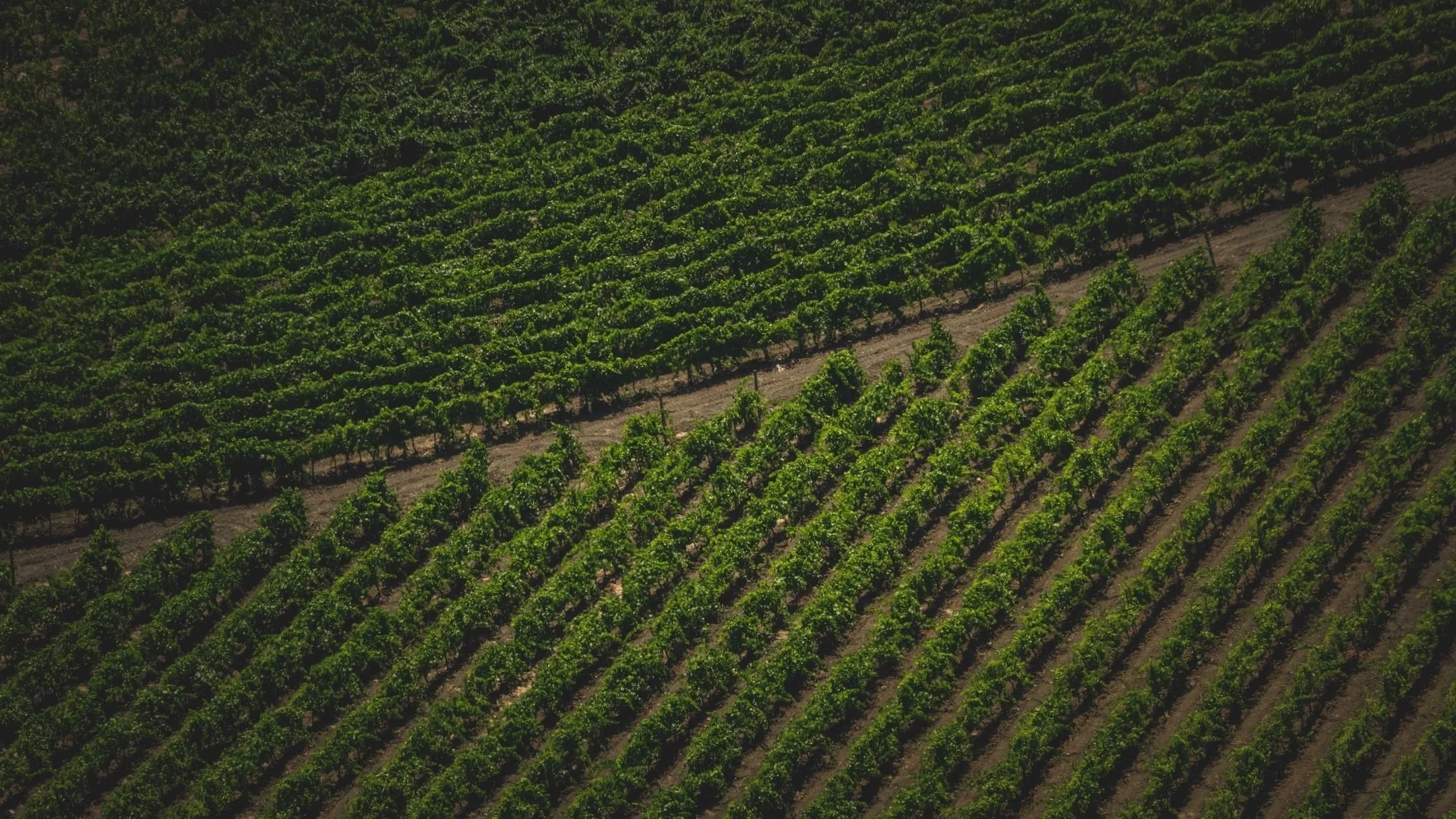
Growing season food plots are a critical component of a successful food plot program. Properly managed growing season plots increase nutritional availability during periods of high demand and help stabilize herd health over time.
Planted edge buffers can further improve food plot effectiveness by increasing usable space and providing additional structure and security.
Seed Production for Turkey and Quail
Seed production is an important benefit of well managed food plots. Many plant species grown in food plots produce seeds that directly support turkey and quail populations.
When food plots are designed with multiple species in mind, they contribute to overall habitat quality and support a more balanced wildlife community.
Depending on the property and its goals, useful plantings may include:
Browntop millet
Proso millet
German foxtail millet
Milo
Iron clay cowpeas
Alyce clover
Aeschynomene
A productive quail food plot should be planned with nearby cover, travel areas, and the broader habitat needs of the population in mind.
Learn More About Food Plot Management
Use the contact form to discuss food plot strategies for your property.