
FOREST & HABITAT MANAGEMENT
Forest Management for Hunting Properties
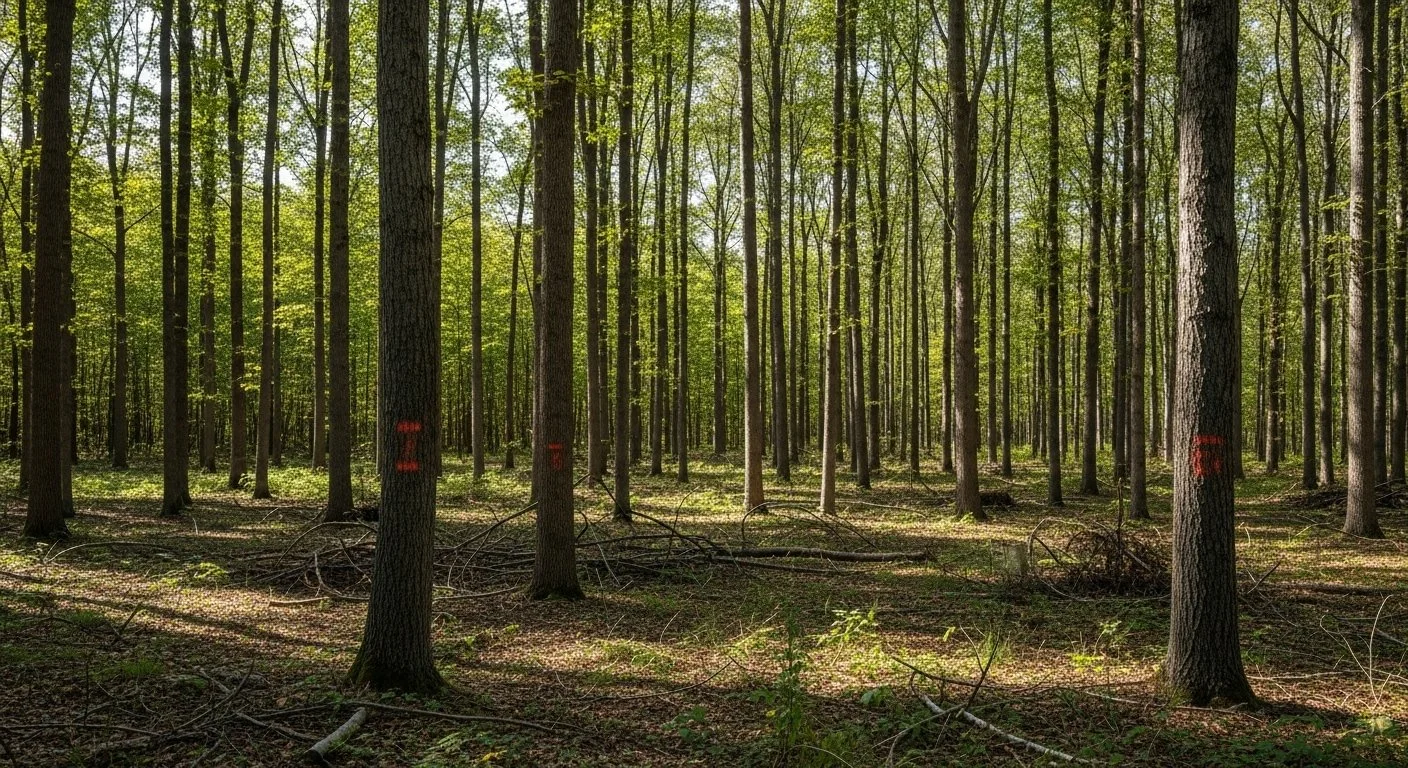
Proper timber and native ground cover management are the first steps toward building a successful hunting property.
Deer, turkey, and quail benefit from slightly different forest management objectives. However, Matt has proven on many different properties that it is possible to have all three species present on a hunting property, and quality ground cover is a large part of that.

The Role of Native Ground Cover
Attempting to grow deer on short burn rotations is dependent on the seed bank and soil type. Seed banks must be present and then properly managed for native ground cover to be as successful as many like to think it is.
Using prescribed fire to remove ground cover litter helps, but prescribed fire and other disturbances cannot promote seeds that are not present in the soil. Many landowners burn their way into nonproductive ground cover, and prescribed fire becomes more of a stumbling block than a stepping stone.
Managing plants with a deer management approach will increase cover and seed production for turkey and quail.
Managing Forests with a Deer Focus
Managing plant communities with a deer management approach often increases cover and seed production that also benefits turkey and quail.
When forest management activities are aligned with wildlife needs, properties can support multiple species while improving overall habitat quality.
Timing of Management Activities
The timing of forest management activities is extremely important.
This includes timber harvests, prescribed fire, and forest herbicide applications. Matt was one of the first in Georgia to recognize how the timing of forest herbicides can influence native plant communities and future seed banks.
Growing season ground cover assessments are an effective way to evaluate plant communities and guide future management decisions.
Forest Management Services
Recommendations may include:
Timber Management
Tree Plantings
Forest Herbicide Applications
Prescribed Fire
Ground Cover Assessments
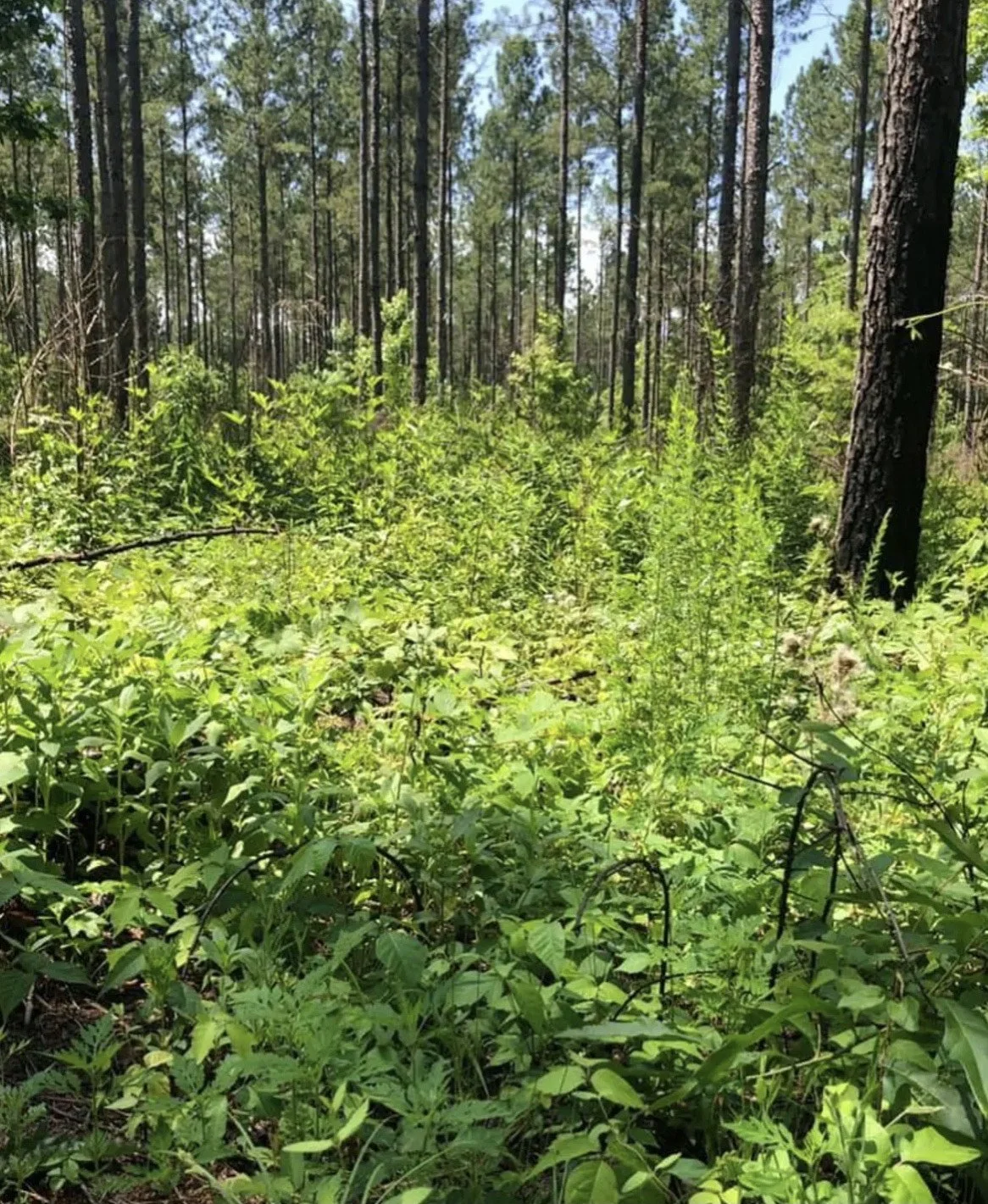
Forest habitat example
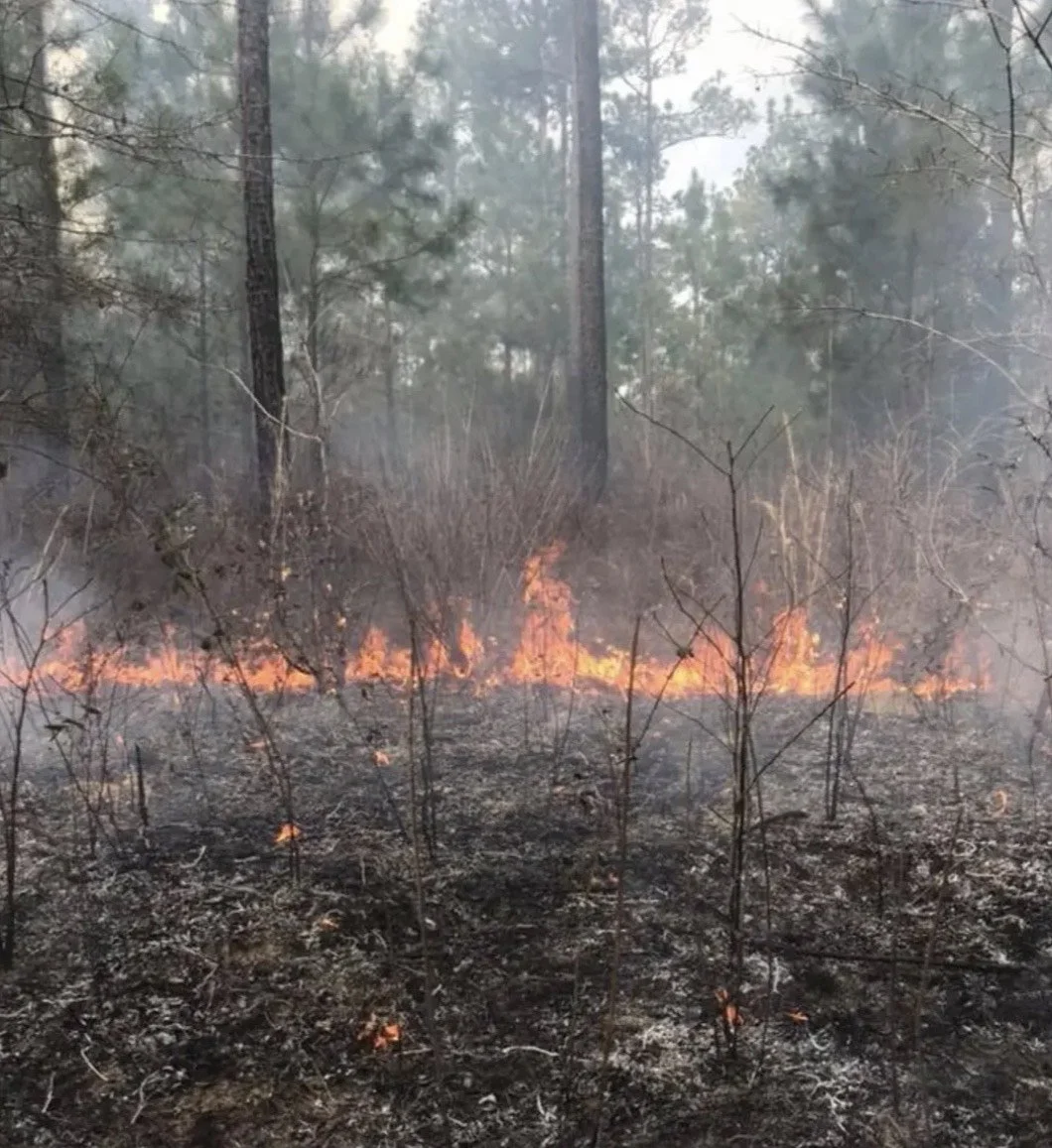
Prescribed fire in managed habitat
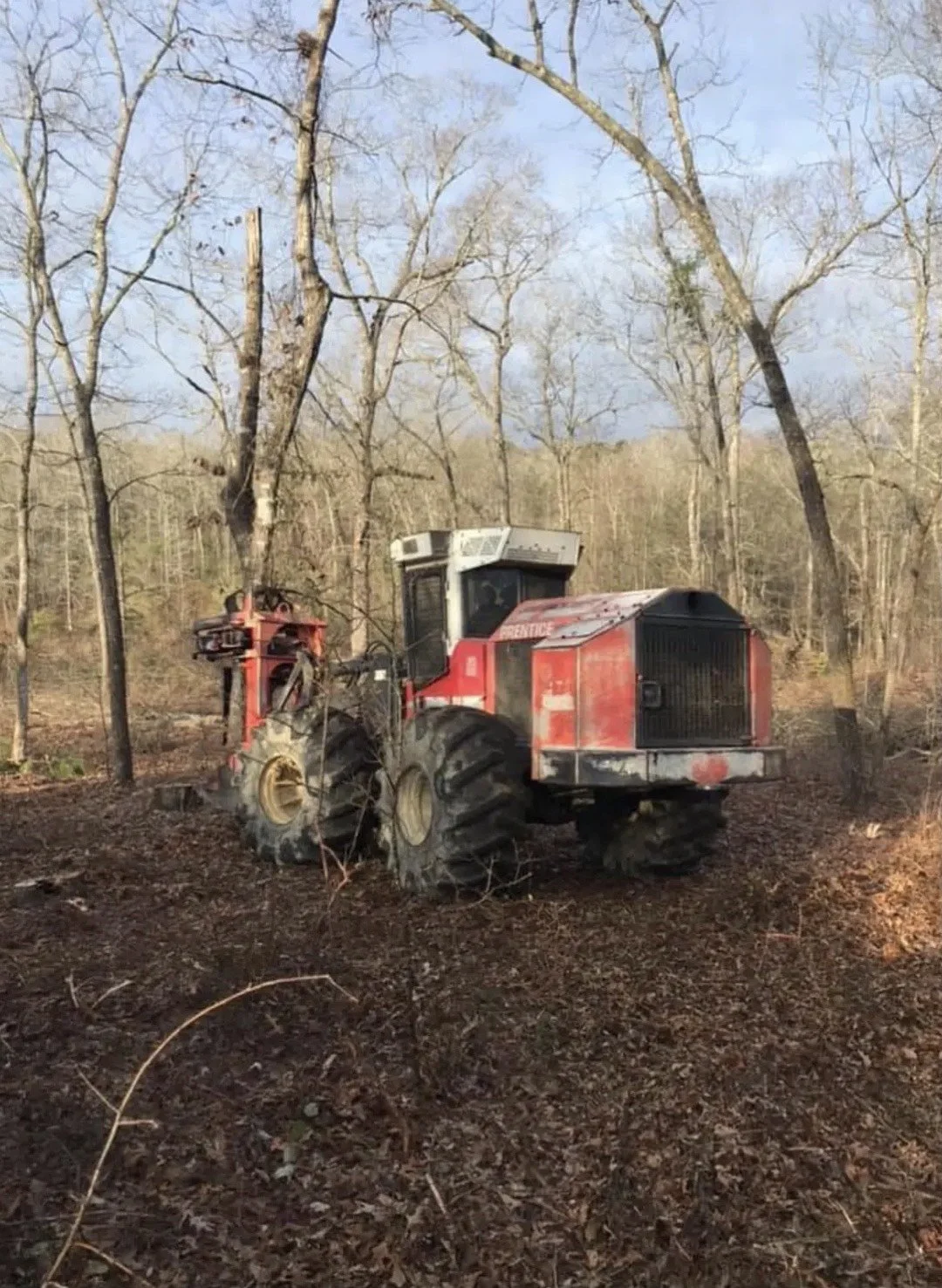
Timber harvest improving wildlife habitat
Plan Forest Management Around Your Property
Effective forest management starts with understanding the existing timber, native plant communities, soil, and seed bank on the property. Shurley Wildlife & Habitat Services develops management recommendations around the property itself and the wildlife management objectives of the landowner.