
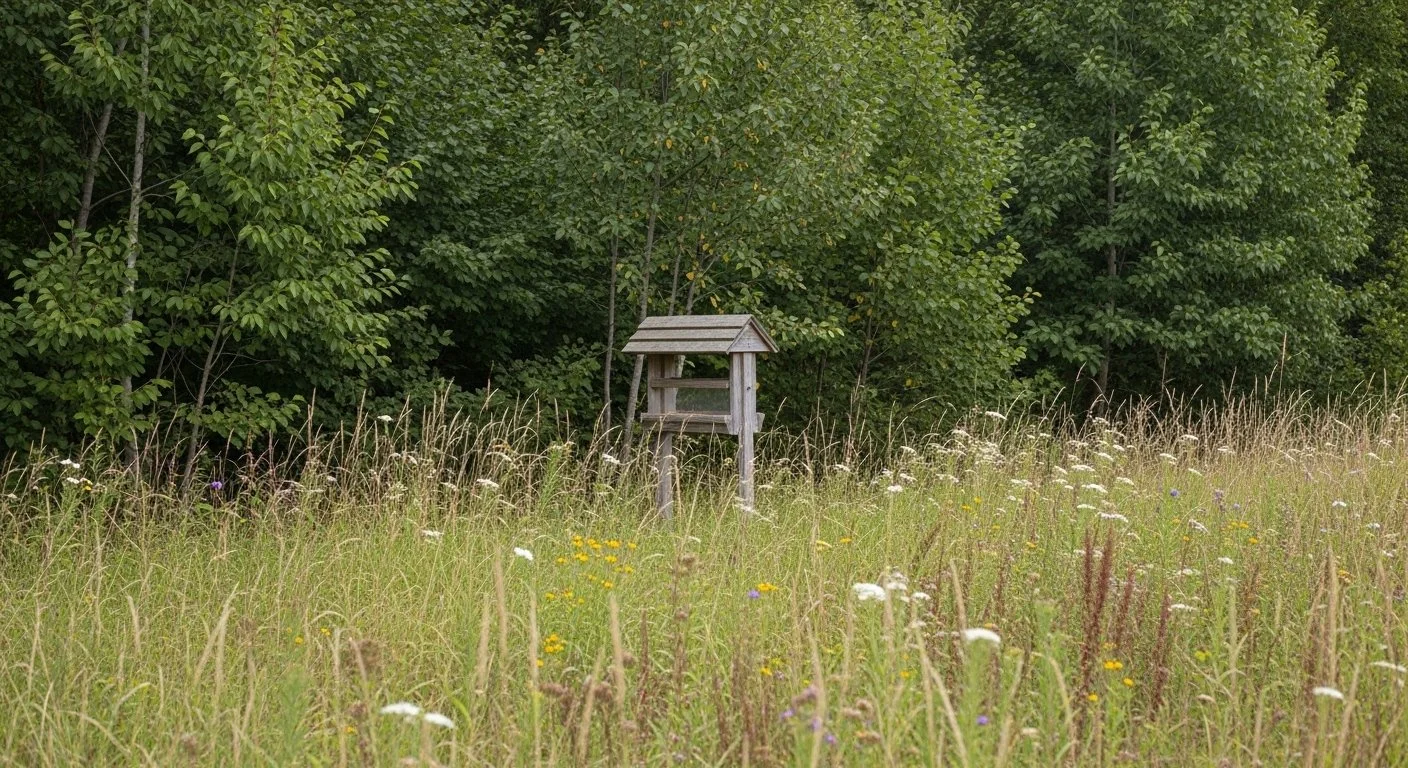
Supplemental Feeding
Deer densities based on supplemental feeding will reflect a false carrying capacity for that property.
Supplemental feeding for deer and food plots are different. Many landowners have fallen into the trap and believe if they don’t want to use supplemental feed, that means they don’t need to plant food plots.
That is not true.
Nutrition is so important to deer herd health, many biologists recommend supplemental feeding to bridge nutritional gaps.
Monitoring Predators at Feed Sites
If a landowner chooses to supplemental feed, Matt recommends using feed sites to monitor mesopredators and removing them based on those observations.
This is just another way of using deer management activities to improve the overall population success of turkey and quail.
Carrying Capacity & Supplemental Feeding
The carrying capacity of a hunting property must be built on forest management, maintained or improved with food plots, and supplemental feeding must not cause a false carrying capacity.
Matt recommends supplemental feeding at a property-specific scale, and all supplemental feed sites should be located a considerable distance from the property line. This protects the true carrying capacity of a property.
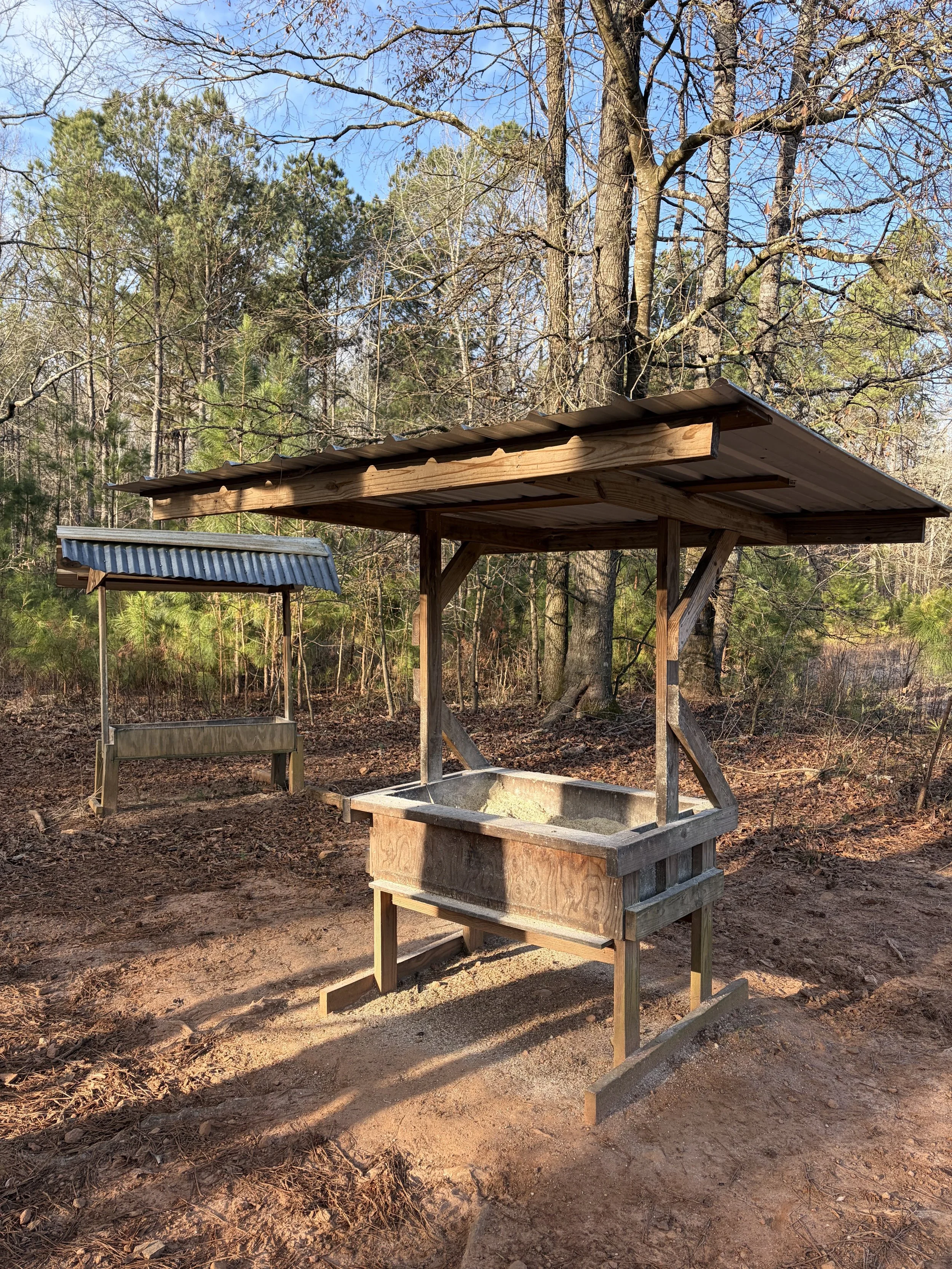
Supplemental feeding example photo
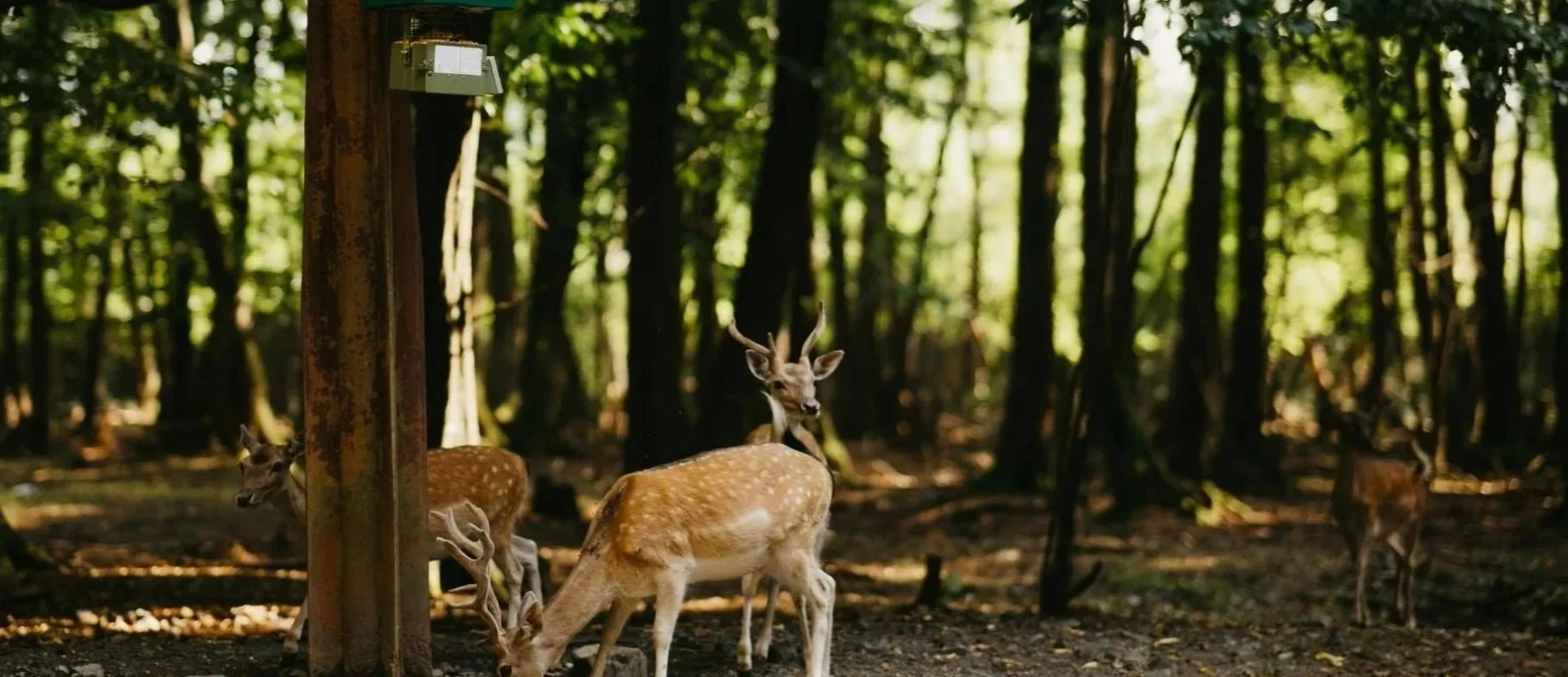
Discuss Supplemental Feeding for Your Property
Every property is different. Habitat conditions, deer density, and surrounding land use all influence whether supplemental feeding is appropriate.