Population Management

The Three Pillars of Hunting Property Management

There are three pillars of hunting property management: habitat, population, and hunter management.

Habitat includes food plots and forest management, but managing wildlife populations also requires attention to carrying capacity, nutrition, cover, and predator control. All of these factors must be considered when managing a hunting property.

When these key elements are balanced correctly, deer, turkey, and quail populations can sustain and improve over time.

Carrying Capacity and Nutrition

Carrying capacity is closely tied to nutrition and cover.

For deer populations to reach their potential, long term high quality nutrition must be available across the property. Habitat management and food plot programs both play an important role in supporting healthy wildlife populations.

Without adequate nutrition and cover, wildlife populations cannot reach their full potential.

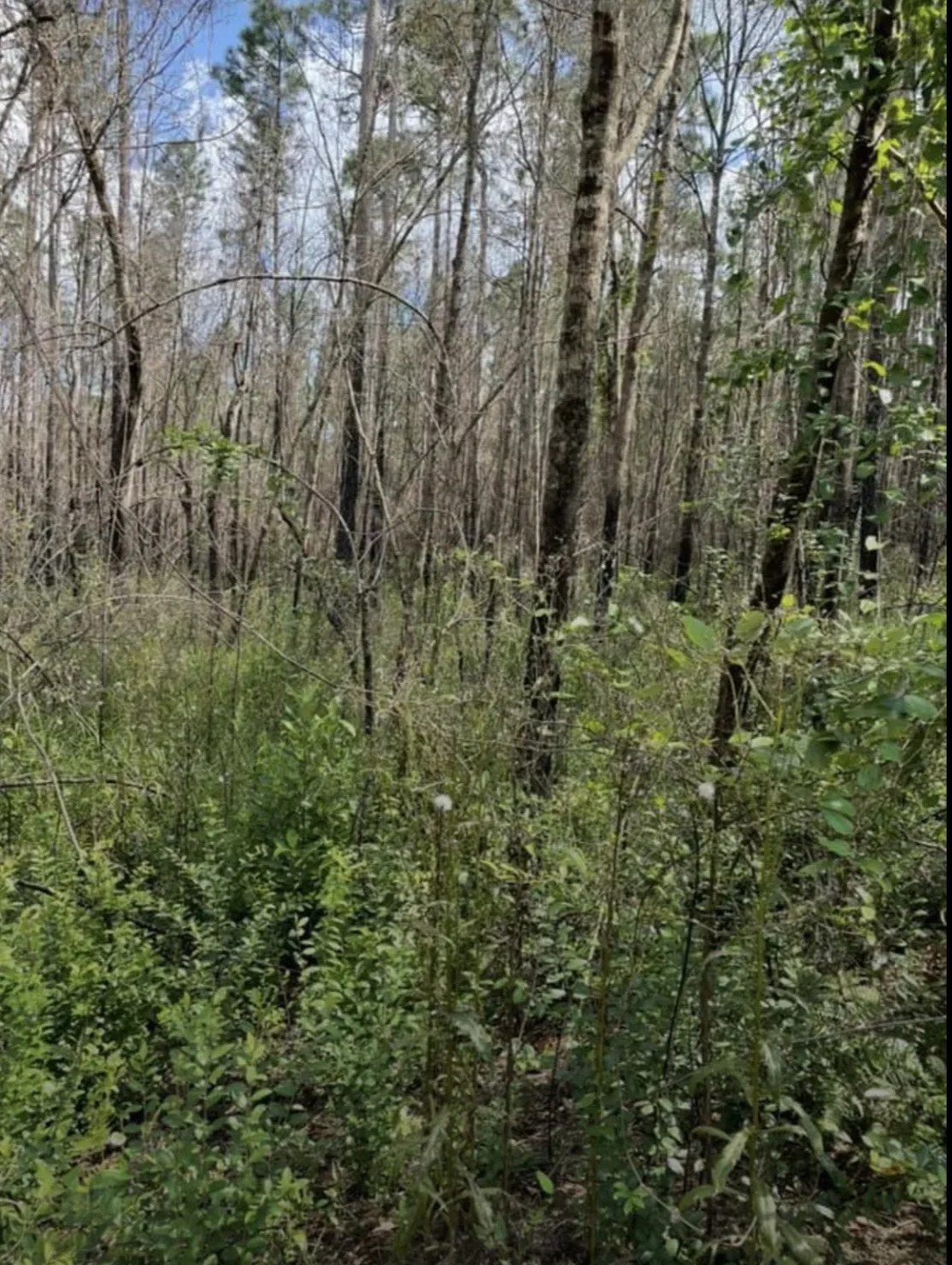
Dense forest with tall bare trees and green underbrush, partly cloudy sky visible through the branches.

Camera survey habitat setup

Predator Management

Predator management is an important part of population management in the Southeast.

Trapping and predator removal are not always about reducing predator numbers. In many cases, the goal is to protect deer, turkey, and quail at critical times so these populations can sustain or increase

Habitat management alone is not always enough. Predator management often plays an important role in maintaining balanced wildlife populations.


Population Surveys and Monitoring

Population surveys help evaluate wildlife populations and guide future management decisions.

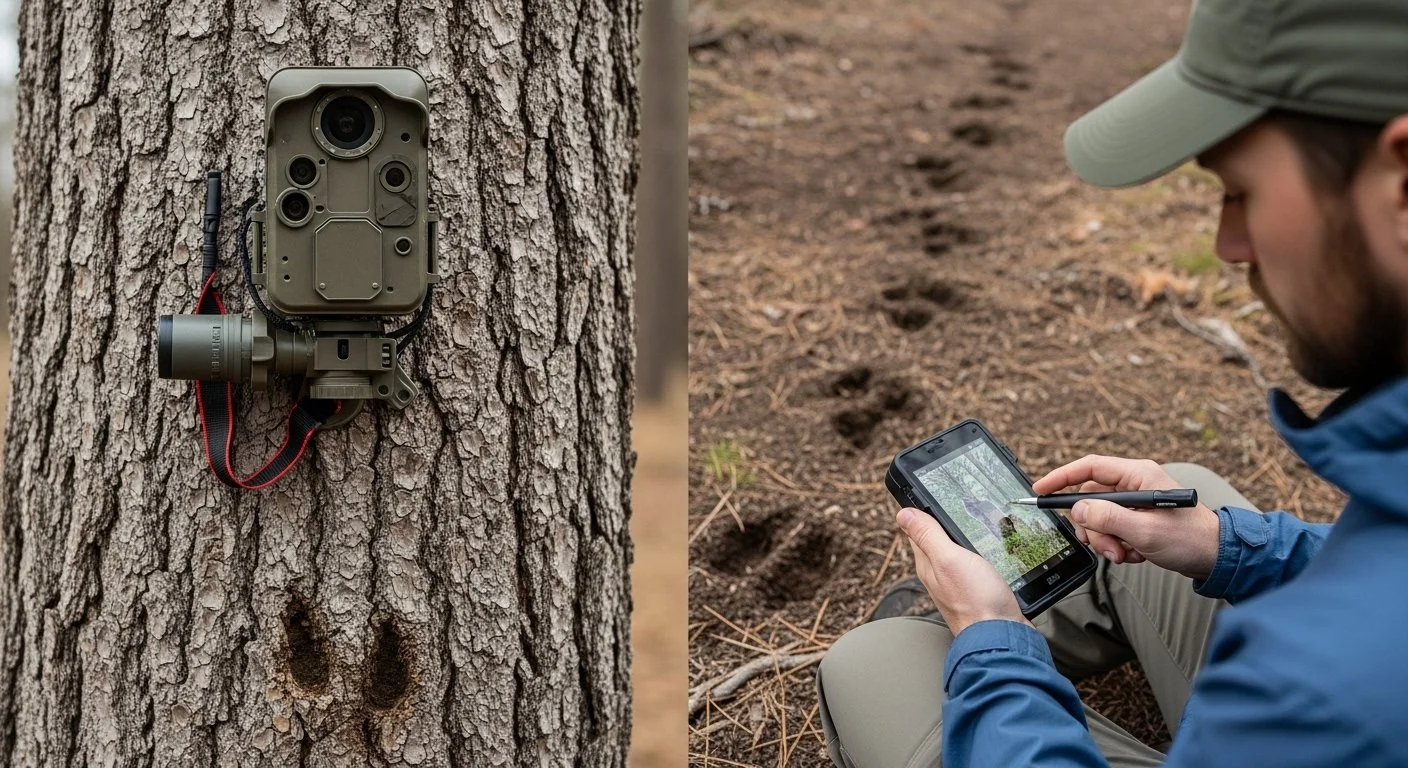
Matt uses camera surveys, including the Jacobson Camera Survey, to assess deer populations and herd structure.

Fall Covey Call Counts are also used to evaluate quail populations and monitor changes over time.

These surveys provide valuable information that helps guide long term management decisions.

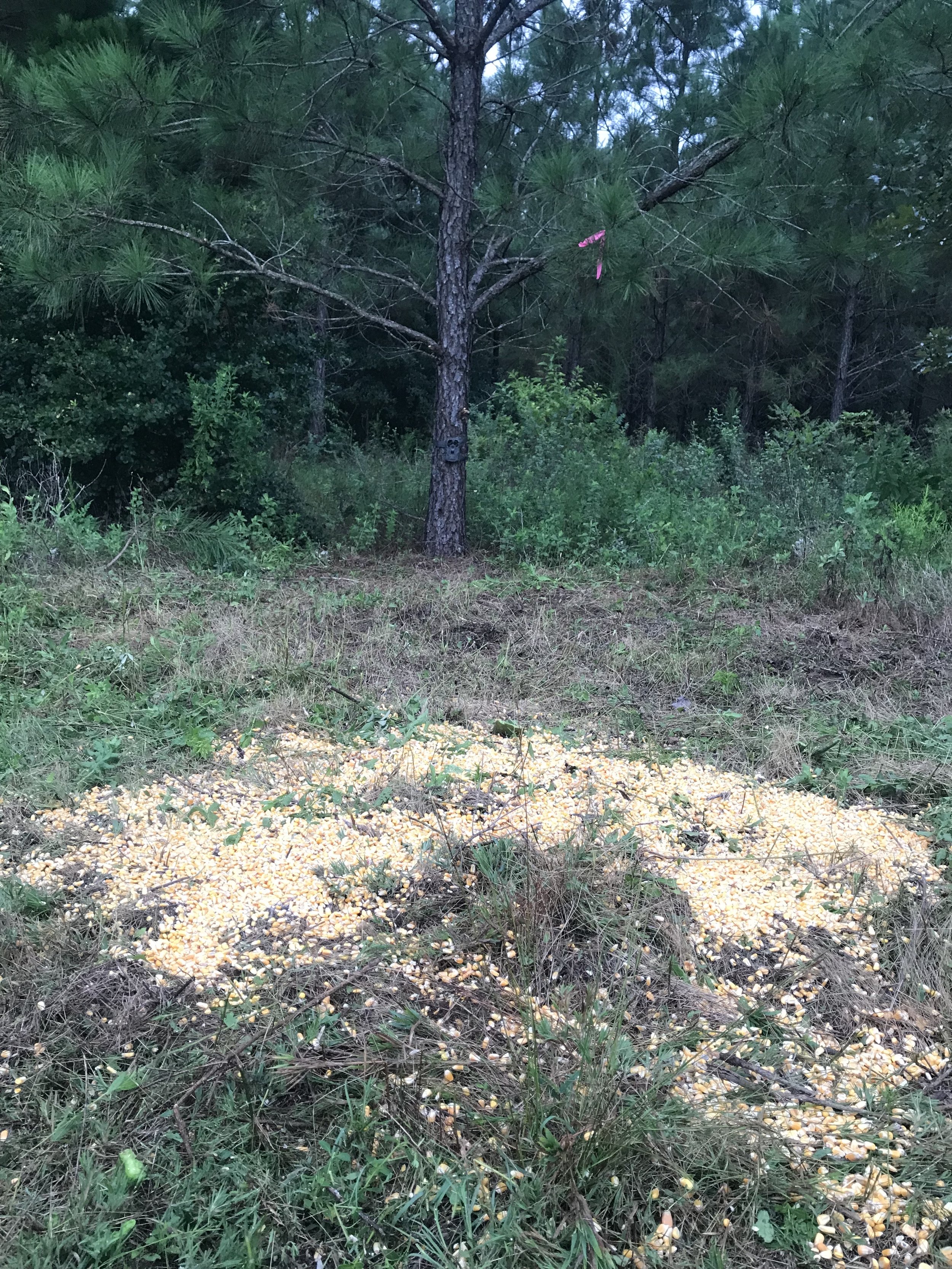
A pile of scattered corn on the ground in a wooded area with trees and greenery.

Deer population example

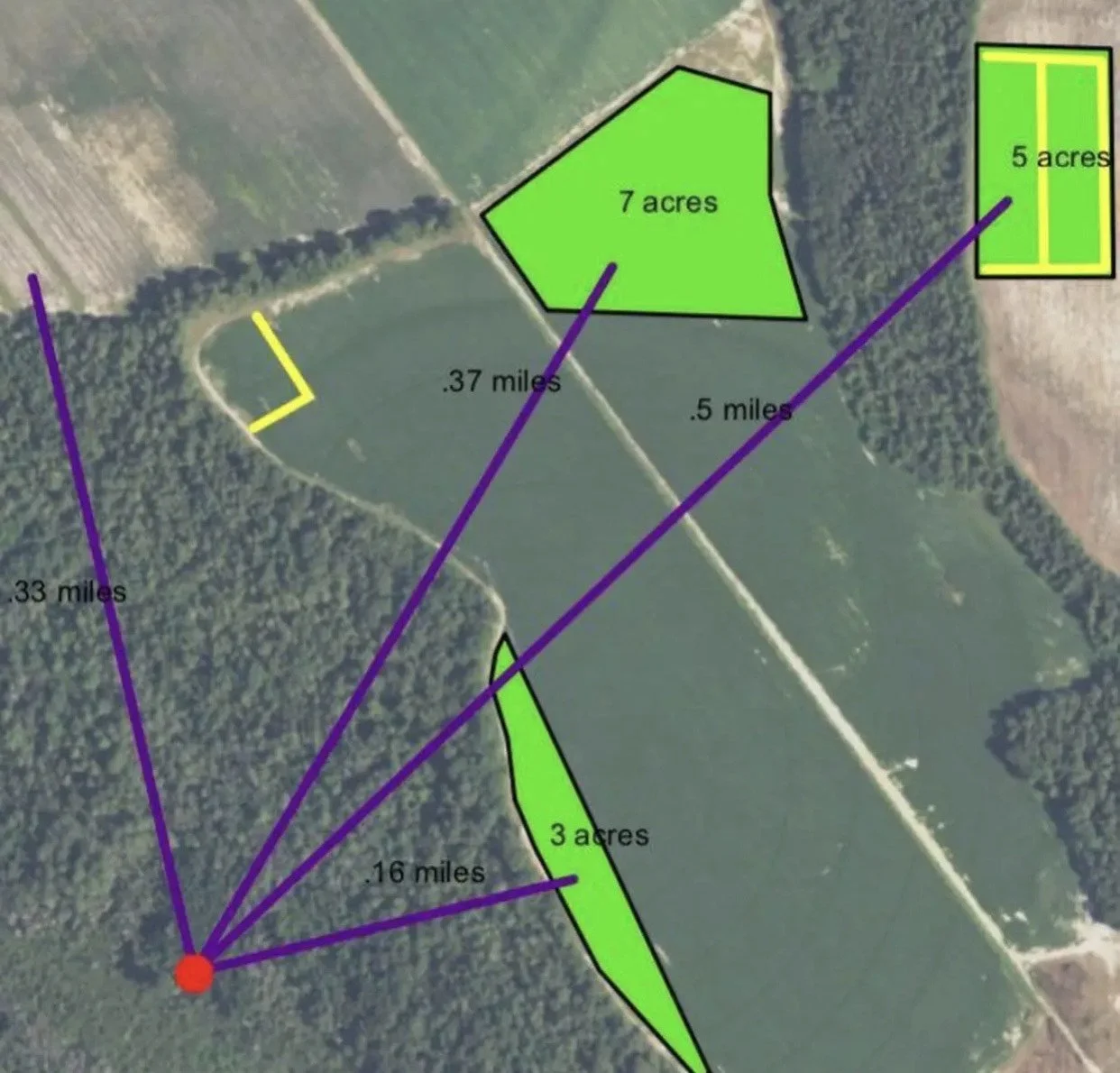
Aerial view of a farm with multiple fields outlined in black and divided into different shapes and sizes. The fields are colored green, and the image includes labels indicating the size of each field in acres, such as 7 acres, 5 acres, and 3 acres. The distances from a red dot to each field are marked in miles, with purple lines connecting the dot to various points on the fields. The image also shows some farm structures and surrounding forested areas.

Covey count & deer movement

Long Term Population Success

Successful wildlife populations depend on long term management of habitat, nutrition, and predator control.

When habitat management, population management, and hunter management are aligned, hunting properties are better positioned to support healthy deer, turkey, and quail populations year after year.

Discuss Population Management for Your Property

Every property is different. Population levels, predator control, and habitat conditions all influence how wildlife management should be applied.