
Management Plans & Site Visits
Management Plans
The Management Plan literature is one of the best writings ever done in the Southeast, USA in wildlife and habitat management.
It takes a holistic approach to hunting property management and is the single piece of literature many landowners need to read.
Managing deer herds and other wildlife populations in accordance with ground cover seed banks, food plots, and home range data is brilliant. It allows Matt to meet with landowners and give them solid recommendations that have been proven to work.
Site Visits
A day visit to the land tract to meet with the landowner and evaluate the current condition of the hunting property and discuss expectations and goals that will progress the property in the right direction.
Habitat assessments and future projects are discussed during site visits.
Multiple site visits are common, and no stone will be left unturned.
Site visits are necessary in successful hunting property management.
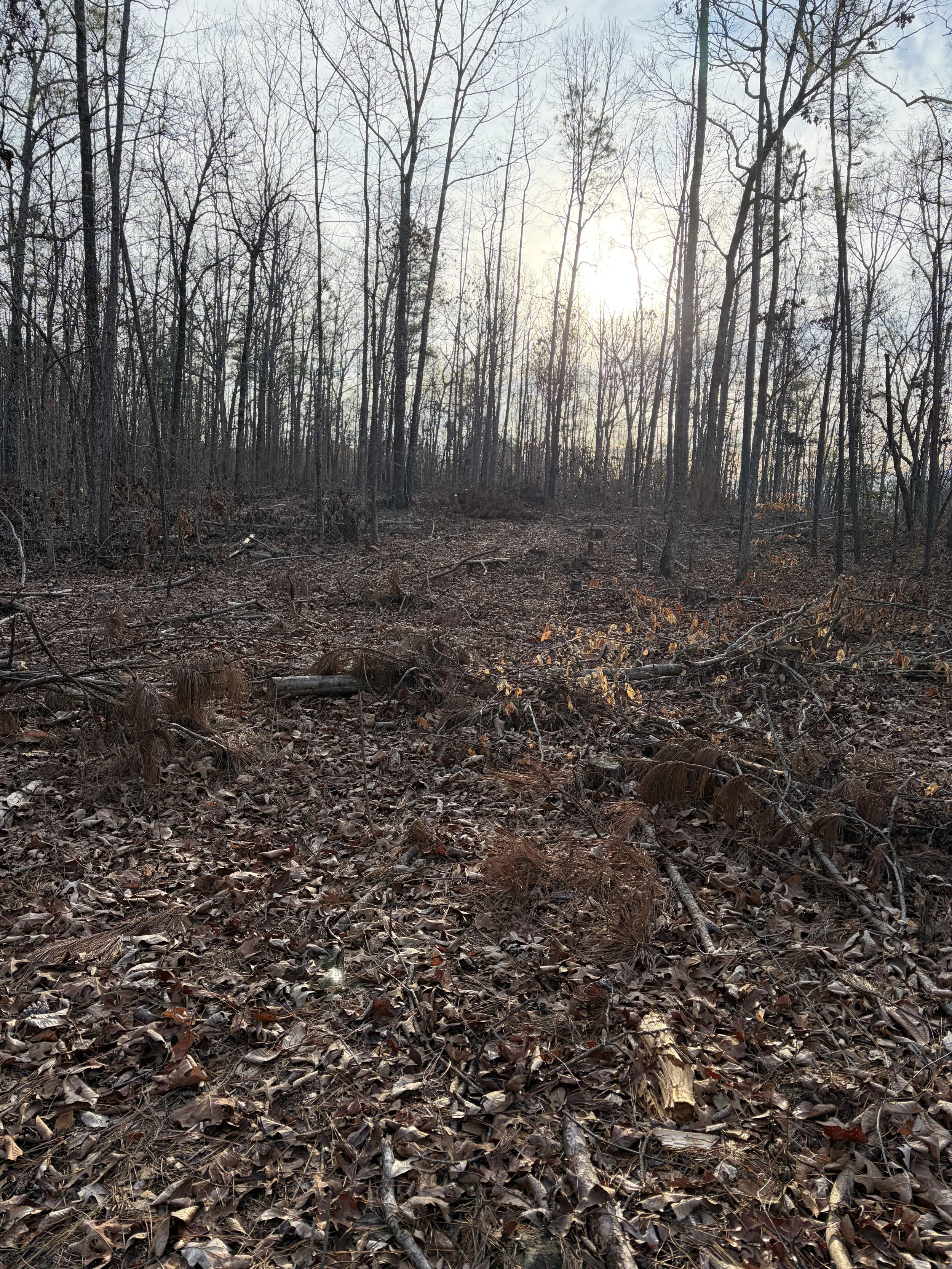

Begin With a Site Visit
The right management strategy begins with understanding the land.
Matt will evaluate the property with you, discuss your goals, identify limiting factors, and help establish practical priorities for moving forward.